How to Declutter Your Home Room by Room in a Weekend
Decluttering your entire home can feel like an overwhelming task, especially when you have limited time. However, with a systematic approach, it is possible to make significant progress over a single weekend. The key is to break the process down into manageable steps and focus on one room at a time. This guide provides a structured method to help you sort through your belongings and create a more organized living space, all within two days.
Before you begin, it is important to understand that decluttering is not just about throwing things away. It involves making intentional decisions about what you truly need and use. By approaching each room with a clear plan, you can streamline the process and avoid feeling overwhelmed. Whether you are preparing for a move, simplifying your life, or just want a tidier home, this room-by-room strategy can be adapted to fit your schedule and goals.
Planning Your Weekend Decluttering Strategy
To make the most of your weekend, start by outlining which rooms you will tackle and in what order. A logical sequence, such as starting with the most visible areas like the living room and kitchen, and moving to less frequented spaces like bedrooms and bathrooms, can help you maintain momentum. Create a checklist of tasks for each room, including sorting items into categories, cleaning surfaces, and setting up donation bags or boxes. Having a clear plan in place will reduce decision fatigue and keep you on track.
It is also wise to gather supplies beforehand: trash bags for items to discard, boxes for donations, and bins or labels for items you plan to keep. If you are working with others, assign specific roles to avoid confusion. Remember, the goal is to work efficiently, not to achieve perfection. Allocate a specific amount of time for each room, and stick to it as much as possible. This prevents you from getting bogged down in one area and ensures you cover all the spaces you intended.
Decluttering the Living Room and Common Areas
The living room is often the first place you see when entering your home, making it a priority for decluttering. Begin by removing everything from surfaces like coffee tables, shelves, and entertainment centers. Sort items into piles: keep, donate, and trash. Ask yourself if each item serves a purpose or brings you joy. For items you are unsure about, consider placing them in a “maybe” box and revisiting later. Focus on clearing away clutter that accumulates, such as old magazines, remote controls, and decorative items that no longer fit your style.
Once the surfaces are cleared, take a look at storage areas like bookshelves and cabinets. Remove all books and media, and evaluate what you actually read or watch. Donate books you have already read or are unlikely to revisit. For electronics and accessories, check for duplicates or outdated items. Use baskets or decorative boxes to corral smaller items like cords and chargers, but only keep what you regularly use. This creates a more open and inviting space while reducing visual clutter.
Organizing the Kitchen and Dining Area
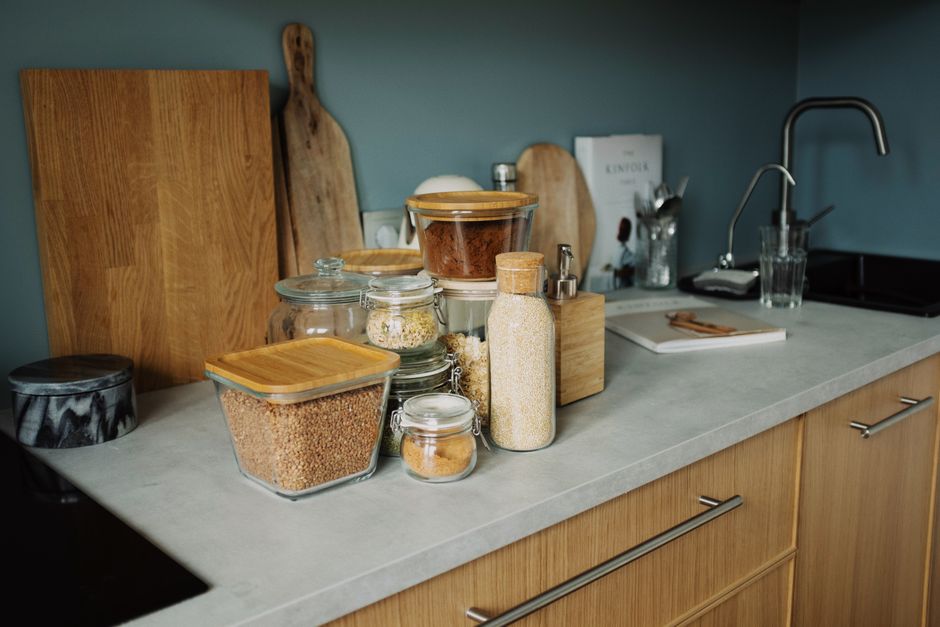
The kitchen can be one of the most challenging rooms to declutter due to the abundance of gadgets, tools, and pantry items. Start by emptying cabinets and drawers, wiping down shelves, and cleaning surfaces. Sort food items, checking expiration dates and donating non-perishables that are still within their shelf life but that you know you won’t consume. For kitchen tools, evaluate each one based on frequency of use. Items like specialty appliances or gadgets used only once a year might be good candidates for donation or selling.
Next, organize utensils, pots, pans, and dishes into categories. To maximize space, consider using drawer dividers and stackable storage solutions. Keep daily-use items within easy reach and store less frequently used items higher up or in less accessible areas. After decluttering, give the entire kitchen a thorough cleaning. This not only improves hygiene but also makes the space feel fresh and functional. Remember to also declutter the dining area, clearing off any paperwork or miscellaneous items that tend to gather on tables.
Tackling Bedrooms and Closets
Bedrooms are personal spaces where clutter can accumulate in closets, nightstands, and under the bed. Start by decluttering your wardrobe. Take everything out of the closet and dressers, and sort items into keep, donate, and toss piles. Be honest about what you wear. If you haven’t worn something in the past year, consider donating it. Look for items that are worn out, damaged, or no longer fit. For sentimental items like old t-shirts or keepsakes, limit yourself to a small storage bin. This helps preserve memories without taking over your space.
Once the closet is sorted, apply the same process to other bedroom furniture. Clear off nightstands, removing books, electronics, and personal items that are not used daily. Under the bed, store off-season clothing or extra linens in vacuum-sealed bags or bins. If you have a dresser, focus on folding clothes neatly and grouping them by category. By reducing the number of items, you make it easier to maintain an organized space and find what you need quickly.
Refreshing the Bathroom and Utility Areas
Bathrooms often have limited storage, so decluttering is essential to keep countertops clear and cabinets organized. Remove all products from cabinets and shelves, and check expiration dates on medications, cosmetics, and toiletries. Dispose of anything that is past its prime or that you no longer use. Sort the remaining items into categories: daily essentials, backups, and occasional use items. Group similar products together and use caddies or bins to maintain order. Keep only what you need within reach, and place duplicates or excess in storage.
Utility areas like laundry rooms, mudrooms, or home offices may also require attention during your weekend. In the laundry area, discard expired cleaning supplies and organize detergents and tools. In a mudroom, sort shoes, coats, and accessories, and install hooks or shelves to keep frequently used items accessible. For home offices, focus on paper clutter: recycle old documents, shred sensitive materials, and create a filing system for important papers. These spaces often accumulate miscellaneous items, so be diligent about putting everything in its proper place.
Deciding What to Keep, Donate, or Toss
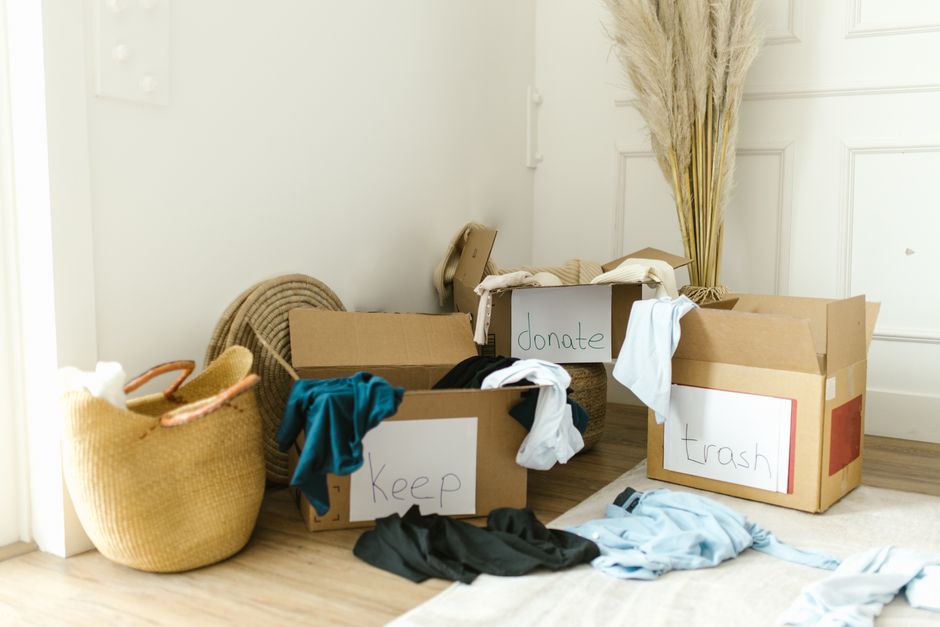
Making clear decisions about what to keep, donate, or toss is at the heart of successful decluttering. A useful method is to apply the “three-box technique”: label one box for keeping, one for donating or selling, and one for trash or recycling. As you go through your belongings, place each item into one of these boxes without hesitation. For items you are struggling with, ask yourself if you have used it in the past year, if it has monetary or sentimental value, and if you have space to store it properly. If the answer is no, it is likely time to let it go.
When it comes to donating, ensure items are in good condition and clean. Many charities and organizations accept gently used clothing, furniture, books, and household goods. Research local donation centers or schedule a pickup with a service. For items that are broken or unusable, discard them responsibly, considering recycling options where possible. Remember that decluttering is a process of creating space for what matters most, and letting go of excess can be a positive and freeing experience.
Decluttering is not about living with less; it’s about making room for more of what you value.
As you complete each room, take a moment to appreciate the difference. Over the weekend, you can restore order and functionality to your entire home. The key is to stay focused, make quick decisions, and follow through with removing the items you have chosen to let go. Once the weekend is over, you may find it easier to maintain your newly organized spaces by establishing simple habits, such as putting things away after use and doing periodic mini-decluttering sessions.
While a weekend can transform your living environment, it’s important to acknowledge that decluttering is not a one-time event but an ongoing practice. By adopting a mindful approach to your possessions, you can prevent clutter from accumulating again. Consider setting aside a few minutes each day to return items to their designated spots and evaluate new purchases thoughtfully. The effort you invest in decluttering can lead to a more serene and efficient home, providing a foundation for a less stressed and more organized lifestyle.