In compact kitchens, every inch of space matters. The challenge of fitting all essentials—from utensils and spices to bulky appliances—into a limited footprint requires thoughtful planning and innovative solutions. By focusing on vertical space, multifunctional furniture, and clever organizers, it is possible to create a functional and visually pleasing kitchen even in the smallest of areas. This article explores a variety of strategies that can help maximize storage potential without compromising on style or accessibility.
The key to effective small kitchen storage lies in understanding the available space and identifying underutilized areas. Often, the space above cabinets, the sides of cabinets, and the backs of doors are overlooked. By incorporating these often-neglected zones, one can significantly increase storage capacity. Additionally, choosing the right organizational tools can transform chaotic drawers and cluttered countertops into streamlined, efficient systems. The following sections delve into specific techniques that combine practicality with aesthetic appeal, ensuring that every item has a designated place.
Utilizing Vertical Space: From Floor to Ceiling
When horizontal space is limited, looking upward is a smart approach. Vertical storage solutions can dramatically increase the usable area in a small kitchen. One effective method is installing tall, narrow shelving units that reach the ceiling. These can hold items that are used less frequently, such as large serving platters or seasonal cookware. Additionally, utilizing the space above cabinets by adding decorative baskets or bins can provide extra storage for items that are not needed on a daily basis.
Another way to maximize vertical space is through the use of wall-mounted racks and hooks. These can be installed on empty walls or on the sides of cabinets to hang pots, pans, mugs, or even utensils. This not only frees up cabinet space but also makes frequently used items easily accessible. For those who prefer a more discreet look, pull-out vertical drawers or cabinet inserts can be used to store cutting boards, baking sheets, and trays. These organizers allow for efficient use of space within existing cabinetry.
When implementing vertical storage, it is important to consider the weight capacity of the chosen fixtures and to ensure they are securely anchored. Additionally, placing heavier items on lower shelves or within reachable height ensures safety. By thoughtfully combining open and closed storage, one can create a balanced and functional kitchen environment that feels open and organized.
Clever Organizers for Utensils and Tools
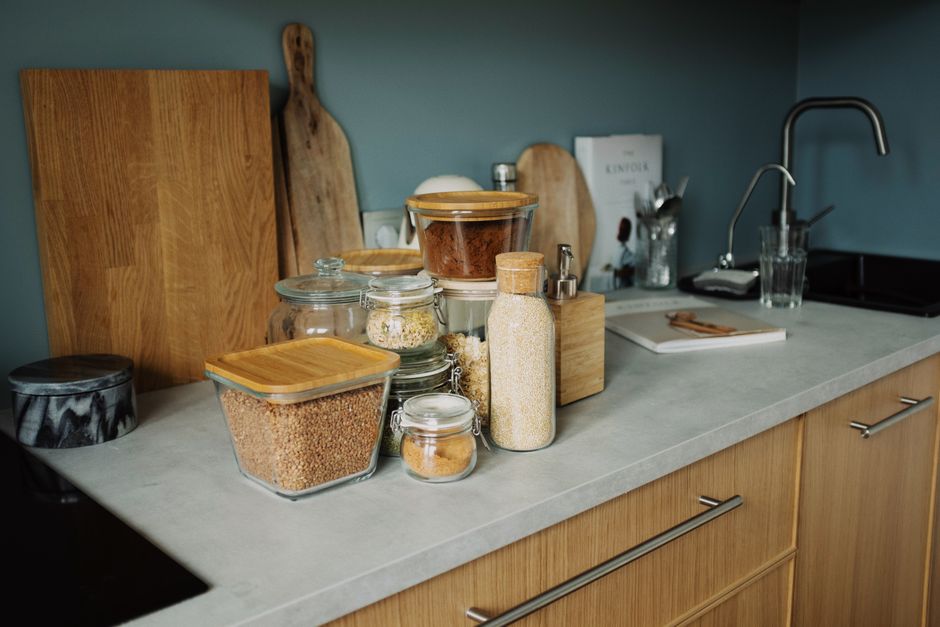
Utensils and kitchen tools often create clutter if not properly stored. In small kitchens, it is essential to use organizers that maximize drawer and countertop space. Drawer dividers are a simple yet effective solution for keeping utensils sorted and easily accessible. They can be adjusted to fit various drawer sizes and help maintain order without wasting space. For items that are used regularly, a countertop utensil holder can keep them within reach while adding a decorative touch.
Another clever organizer is a magnetic knife strip, which saves drawer space and keeps knives visible and safe. Similarly, a magnetic strip for spice jars or metal containers can be mounted on a wall or inside a cabinet door, freeing up shelf space. For those with limited drawer space, under-cabinet baskets or racks can hold utensils, often utilizing the space between the counter and the upper cabinets. These installations can be particularly useful for storing large or oddly shaped tools that do not fit well in drawers.
It is also beneficial to group similar items together and to store them near their point of use. For example, cooking utensils can be stored near the stove, while baking tools can be kept near a baking station if there is one. This not only improves efficiency but also reduces the time spent searching for items. By implementing these organizational tools, even the most cramped kitchen can maintain a neat and functional workspace.
Maximizing Spice Storage
Spices are essential in any kitchen, but their small sizes and numerous containers can create significant clutter. One effective solution is to use a tiered spice rack, which allows for multiple layers of jars to be visible and easily accessible. These racks can fit inside cabinets or on countertops, maximizing vertical space while keeping spices organized. Alternatively, a pull-out spice drawer insert can turn a shallow drawer into a efficient spice storage system, with rows of jars neatly aligned.
For those who prefer a more visual approach, mounting spice jars on a wall using magnetic strips or a spice rail can transform them into a decorative element. This also frees up shelf space and makes it easy to see all available spices at a glance. When using these methods, it is important to label each jar clearly to avoid confusion. Spices that are used frequently can be kept in a small caddy or tray on the counter, while lesser-used ones can be stored in a cabinet or pantry.
Proper spice storage not only saves space but also preserves freshness. Keeping spices away from heat and light is crucial, so dark, cool cabinets are ideal. By choosing the right storage solution, one can maintain a well-organized spice collection without sacrificing precious counter or cabinet space.
Strategic Storage for Appliances
Appliances such as blenders, mixers, and toasters often consume valuable counter space. In small kitchens, it is important to assess which appliances are used daily and which can be stored away. For frequently used appliances, consider investing in models that are compact or have multifunctional capabilities. For example, a combination microwave and convection oven can replace multiple standalone devices.
For appliances that are used less often, creative storage solutions can free up space. Pull-out shelves or appliance garages (cabinets with roll-up doors) can hide appliances when not in use, keeping countertops clear. Similarly, storing bulky appliances in lower cabinets or on specialized shelving can help optimize space. If there is an unused corner or a tall cabinet, consider installing a carousel or a lazy Susan to access items easily.
It is also important to consider the electrical outlet placement when deciding where to store appliances, to avoid creating fire hazards or difficult-to-reach cords. By strategically planning appliance storage, one can maintain a functional kitchen without constantly moving heavy equipment. This approach contributes to a clutter-free and efficient cooking environment.
Creative Use of Unconventional Spaces
Small kitchens often have unique architectural features that offer additional storage opportunities. For instance, the inside of cabinet doors can be fitted with slim racks or hooks to hold measuring spoons, pot lids, or cleaning supplies. The side of a cabinet or a pantry door can be used to mount a towel rack or a spice rack, adding storage without taking up floor space.
The space under the sink is another area that is frequently underutilized. With a tension rod and hanging baskets, one can organize cleaning supplies and brushes, making the most of this awkwardly shaped area. Additionally, toe-kick drawers, which are installed in the base of cabinets, are a clever way to use the often-ignored space at the bottom of the kitchen. These shallow drawers are perfect for storing flat items like baking sheets or trays.
If there is a small gap between the counter and the refrigerator, a slim pull-out pantry can be inserted to store canned goods or spices. Similarly, a pegboard on an empty wall can be customized with hooks and shelves to hold pots, pans, and tools, creating a flexible and visually interesting storage solution. By thinking outside the box, one can find hidden storage potential in any nook or cranny.
In small kitchens, the most effective storage solutions are those that make use of every available inch while keeping frequently used items accessible and maintaining a clear visual flow.
These unconventional approaches not only increase storage capacity but also add character and functionality to the kitchen space. It is essential to ensure that any modifications are safe and do not interfere with daily tasks. By embracing creative storage solutions, even the tiniest kitchen can become a model of organization and efficiency.