In today’s fast-paced world, finding time to prepare healthy and affordable meals can be a challenge. Between work, family, and other commitments, cooking from scratch every day often falls by the wayside. However, meal prepping offers a practical solution that helps streamline your week, reduce daily stress, and manage your grocery budget more effectively. By dedicating a few hours to planning and cooking ahead, you can enjoy home-cooked meals without the daily hassle.
This guide explores various meal prep strategies, focusing on batch cooking, creative use of leftovers, and efficient planning techniques. Whether you’re new to meal prepping or looking to refine your approach, these ideas are designed to fit into your routine and align with your personal preferences. The goal is to provide you with a framework that saves time and money while maintaining nutritional quality and flavor.
Understanding the Basics of Meal Prep
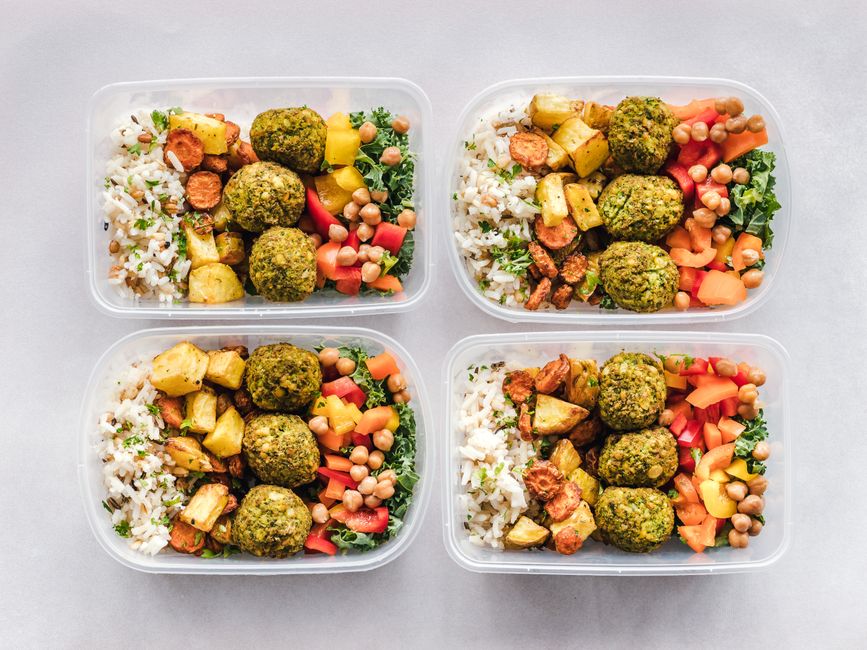
Meal prepping involves preparing components of meals in advance, so that you can assemble them quickly during the week. It can range from cooking full meals and portioning them into containers, to prepping individual ingredients like chopped vegetables, cooked grains, or marinated proteins. The key is to find a method that works for your lifestyle and cooking style.
One of the first steps is to assess your weekly schedule and identify your busiest days. This helps determine how many meals you need to prepare and how much time you can realistically dedicate to prepping. Some people prefer to cook on Sundays, while others may opt for twice-weekly sessions. Consistency is more important than frequency.
Another crucial aspect is having the right storage containers. A mix of glass or BPA-free plastic containers with tight-fitting lids can keep food fresh for several days. Consider investing in a set of reusable containers in various sizes to accommodate different portion needs. Vacuum-sealed bags or freezer-safe containers are also useful for longer storage.
Before you start, it’s helpful to plan your menu for the upcoming week. This involves selecting recipes that share similar ingredients, which can reduce waste and cut down on grocery costs. For instance, if you buy a large pack of chicken breasts, you can use them in multiple dishes, such as grilled chicken salads, stir-fries, or wraps.
Batch Cooking: The Foundation of Time-Saving Meals
Batch cooking is a core meal prep technique that involves preparing large quantities of a particular dish at once, then storing portions for later consumption. This approach is especially efficient for dishes that freeze well, such as soups, stews, casseroles, chili, and pasta sauces. By doubling or tripling a recipe, you can save time and energy on cooking multiple times during the week.
When batch cooking, it’s important to let food cool completely before refrigerating or freezing to prevent bacterial growth. Proper labeling with dates and contents helps maintain organization and ensures you use older items first. Many batch-cooked meals can be stored in the refrigerator for up to four days or frozen for several months, providing flexibility in your meal plan.
Another advantage of batch cooking is that it allows you to take advantage of sales and bulk purchases. Buying larger quantities of staples like grains, beans, and frozen vegetables can lower your per-meal cost. For example, cooking a big pot of quinoa can serve as a base for multiple lunches, mixed with different vegetables and proteins throughout the week.
To make batch cooking more manageable, focus on recipes that have similar cooking methods or that can be prepared simultaneously. For instance, while a stew simmers on the stove, you might roast vegetables in the oven. This multitasking approach maximizes your kitchen time.
Creative Leftovers: Turning Extras into New Meals
Leftovers are a natural byproduct of cooking and can be repurposed into entirely new dishes, saving both time and money. Rather than eating the same meal repeatedly, you can transform leftover components into fresh creations. This not only reduces food waste but also adds variety to your weekly menu.
For example, roasted vegetables from one dinner can be incorporated into a frittata the next morning or blended into a soup. Cooked grains can be turned into fried rice or added to salads. Leftover grilled chicken can be shredded and used in tacos, sandwiches, or casseroles. The possibilities are limited only by your creativity.
To make the most of leftovers, it’s helpful to plan with repurposing in mind. When you intentionally cook extra, think about how you might use the surplus in upcoming meals. This approach ensures that no food goes to waste and that you get more value from your grocery purchases.
Another strategy is to designate a “leftover night” each week, where you combine various remnants into a buffet-style meal. This not only clears out the fridge but also provides a low-effort dinner option. Encouraging family members to build their own plates can make it fun and interactive.
Smart Grocery Shopping Strategies
Effective meal prep begins at the grocery store. By shopping strategically, you can significantly reduce your weekly expenses. Start by creating a shopping list based on your meal plan, and stick to it to avoid impulse purchases. Buying in bulk is another way to save, especially for non-perishable items like rice, pasta, and canned goods.
When possible, choose whole foods that are versatile. For instance, a bag of potatoes can be used for baking, mashing, or roasting. Frozen fruits and vegetables are often cheaper and have a longer shelf life, making them a budget-friendly option that still retains nutritional value.
Another tip is to shop seasonally, as produce in season tends to be less expensive and more flavorful. Visiting local farmers’ markets can also provide cost savings, especially when you purchase items at the end of the day when vendors may offer discounts.
Additionally, consider using store loyalty programs and digital coupons to save on items you regularly buy. Many grocery store apps offer personalized deals based on your shopping history, which can be applied to your pre-planned list.
Simple Meal Prep Recipes for Beginners
If you’re new to meal prepping, starting with simple recipes can help you build confidence and develop a sustainable routine. A good starting point is to choose recipes with minimal ingredients and straightforward preparation steps. For example, a batch of quinoa or brown rice can be made in large quantities and paired with roasted vegetables and a protein of your choice.
Another beginner-friendly option is a sheet-pan dinner, where a protein and vegetables are roasted together on one pan. This requires minimal cleanup and can be easily portioned into containers for the week. Simply toss vegetables with olive oil and seasonings, place alongside the protein, and bake until everything is cooked through.
Breakfast meal prep can be as simple as overnight oats. Combine rolled oats with milk or yogurt, add fruits and nuts, and let it sit in the refrigerator overnight. In the morning, you have a ready-to-eat breakfast that can be made in bulk for several days.
For lunches, mason jar salads are a popular choice. Layer ingredients in a jar, starting with dressing at the bottom, followed by hearty vegetables, then proteins and greens on top. This keeps the salad crisp and allows you to shake it up when you’re ready to eat.
Time-Saving Tools and Equipment
While meal prepping doesn’t require specialized gadgets, certain tools can significantly streamline the process. A slow cooker or Instant Pot can cook large batches of food with minimal hands-on time. These appliances are ideal for soups, stews, and shredded meats, allowing you to set them and forget them.
A food processor is another valuable investment, as it quickly chops vegetables, shreds cheese, or makes dough. This saves considerable prep time, especially when handling ingredients like onions, carrots, and herbs.
Investing in a set of quality knives can make chopping easier and more efficient. A chef’s knife, paring knife, and cutting board are essential. Keep them sharp to reduce effort and improve safety.
Meal prep containers are perhaps the most critical tool. A variety of sizes, including small containers for dressings and dips, help you portion meals accurately and keep everything organized in the fridge or freezer. Look for containers that are stackable and easy to clean.
How to Stay Motivated and Consistent
Developing a meal prep habit takes time and patience. To stay motivated, set realistic goals and celebrate small successes. Start with prepping just two or three meals a week and gradually increase as you become more comfortable.
Variety is key to avoiding boredom. Rotate your recipes regularly, and don’t be afraid to experiment with new ingredients or cuisines. Keeping a collection of go-to recipes can make planning easier, but also allow for occasional spontaneity.
It’s also helpful to involve family members in the process. Cooking together can make meal prep more enjoyable and distribute the workload. Assign tasks based on individual skills, such as chopping, measuring, or packaging.
Remember that meal prep is meant to simplify your life, not add stress. If a particular week doesn’t go as planned, adjust your approach rather than giving up. The ultimate goal is to create a system that works for you, and consistency will naturally follow.
“Meal prepping is not about perfection; it’s about making small, sustainable changes that save you time and money while nourishing your body.”
In conclusion, meal prep is a versatile and effective strategy for busy individuals looking to reclaim control over their time and budget. By understanding the basics, incorporating batch cooking, and getting creative with leftovers, you can streamline your weekly routine. With smart grocery shopping and beginner-friendly recipes, even novices can successfully implement these practices. The key is to find an approach that fits your lifestyle and to remain flexible as your needs evolve.