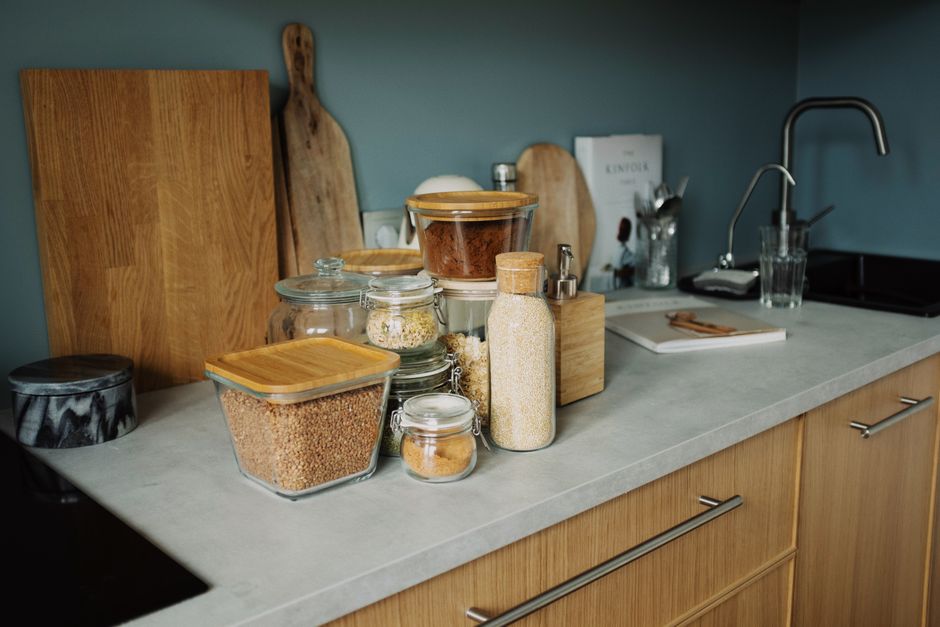
Morning Habits to Keep Your Home Tidy Before Work

Starting the day with a few simple habits can significantly influence the state of your home by the time you return from work. Many people find that a cluttered environment in the evening adds to stress, and the key to preventing this often lies in the morning. By dedicating a small amount of time to specific tasks before leaving, it may be possible to maintain a more organized living space throughout the day. This article explores several morning habits that can be integrated into a routine, with a focus on practical steps that align with a process-oriented approach.
The concept of tidying in the morning is not about perfection but about creating a foundation for the day. When you leave the house with a sense of order, it can influence how you perceive and interact with your space later. The habits discussed here are not presented as guarantees but as methods that may contribute to a more organized home. Each routine can be adapted to individual schedules and preferences, and the goal is to illustrate how small actions can have cumulative effects.
The Role of Morning Routines in Home Organization
Morning routines serve as a structured start to the day, and their impact on home tidiness is often underestimated. A consistent sequence of actions in the morning can set a tone for the entire day, including how you approach household tasks. When you establish a habit of tidying specific areas before work, you reduce the burden of cleaning later in the day. This is not about overhauling your entire home but about focusing on high-impact zones that are prone to clutter.
For many households, the kitchen and bedroom are the primary areas that accumulate mess overnight. By addressing these spaces in the morning, you can prevent dishes from piling up and prevent clothes or bedding from becoming disorganized. Moreover, morning routines can help in developing a mindset of orderliness, which may carry over into other aspects of your life. The key is to keep the routine simple and manageable so that it becomes a natural part of your departure process.
Research suggests that maintaining a tidy environment can have psychological benefits, such as reducing anxiety and improving focus. However, it is important to note that these are potential effects and not guarantees. The effectiveness of a morning routine varies from person to person, depending on factors like work schedule, family size, and personal preferences. Therefore, it is advisable to experiment with different habits and observe what works best for your situation.
Making the Bed: A Simple Starting Point
One of the most straightforward habits to adopt is making the bed each morning. This task takes only a few minutes but can set a visual precedent for the day. A made bed instantly makes a bedroom look more put together, and it can also serve as a psychological trigger to continue tidying other areas. The act of smoothing sheets and arranging pillows may seem trivial, yet it establishes a foundation of order in a room that is often the first place you see when you wake up.
When making the bed, it is helpful to have a consistent method. Whether you prefer a minimalist approach with just the duvet pulled up or a more detailed arrangement with decorative pillows, the goal is to create a neat appearance. It is also important to consider the type of bedding you have. For example, if you use a top sheet, ensuring it is tucked in properly can make the process easier. The benefit of starting with this habit is that it requires minimal effort but yields immediate visible results.
Making your bed is a small action that can create a sense of accomplishment and set a positive tone for the rest of the day.
Additionally, making the bed can help in maintaining cleanliness by preventing pet hair or dust from settling on the sheets during the day. While this is not a substitute for regular washing, it does contribute to a fresher sleeping environment. It is also a habit that can be easily incorporated into any routine, regardless of your schedule. Even on busy mornings, taking just two minutes to straighten the covers can make a difference in how the room feels when you return home.
Loading Dishes: Preventing Evening Clutter
Another effective morning habit is loading dishes into the dishwasher or washing them shortly after breakfast. Leaving dirty dishes in the sink can lead to a pile-up that becomes overwhelming by evening. By taking a few minutes after your morning meal to load the dishwasher or hand-wash items, you can reduce the amount of cleanup required later. This practice is particularly beneficial in households where multiple people use kitchen items throughout the day.
To make this habit more efficient, it helps to establish a system. For instance, rinse dishes as soon as you finish using them, and place them directly into the dishwasher if available. If you do not have a dishwasher, consider washing and drying them immediately or placing them in a drying rack. This not only keeps the sink clear but also prevents food residue from hardening, which makes cleaning more time-consuming later. It is also a good idea to wipe down the countertops after loading to remove any crumbs or spills.
The impact of this habit extends beyond the kitchen. When the sink is clear and counters are clean, the kitchen feels more welcoming, and you are less likely to be discouraged by a messy space when you need to prepare dinner. However, it is important to note that the effectiveness of this habit depends on daily consistency and the availability of time in the morning. Some individuals may find it more practical to run the dishwasher at night and unload it in the morning, which is an alternative approach to consider.
Quick Kitchen Cleanup: Wiping Surfaces and Organizing the Coffee Area
In addition to loading dishes, a quick kitchen cleanup session can help maintain order. This includes wiping down countertops, cleaning the stove, and organizing the coffee or tea area. These tasks can be completed in a few minutes and can prevent the buildup of grime and clutter. For example, after preparing coffee, the coffee grounds and splashes can be wiped away, and the coffee maker can be turned off and cleaned. Similarly, if you have a designated spot for items like toasters, blenders, or jars, putting them back in their place can make the space look tidier.
Organizing the coffee or tea area is an often overlooked aspect of kitchen tidiness. Having a designated tray or caddy for items like sugar, creamer, and mugs can keep countertops clear. Additionally, creating a habit of washing the coffee pot or French press in the morning ensures it is ready for the next day. This not only contributes to a clean appearance but also to a more functional kitchen, as you avoid having to search for items during busy mornings.
While these tasks may seem minor, they collectively contribute to a more organized kitchen. It is also helpful to incorporate a “clean as you go” mindset, where you put away ingredients as you use them. This approach can be applied not only to breakfast preparation but also to lunch packing and other morning activities. By integrating these small actions, you may find that the kitchen remains presentable throughout the day, reducing the need for extensive cleaning in the evening.
The “Five-Minute Tidy”: A Focused Approach for Each Room
Another habit that can be particularly effective is the “five-minute tidy” in specific rooms before leaving the house. This involves setting a timer and quickly picking up items that are out of place, such as clothes on the floor, books on tables, or toys in the living room. The goal is not to deep-clean but to restore visual order to the most used spaces. This practice can be implemented in the bedroom, living room, or bathroom, depending on your priorities.
In the bedroom, a five-minute tidy might include placing dirty clothes in a hamper, folding or hanging clean clothes, and clearing nightstands of any items that don’t belong. In the living room, it could mean fluffing pillows, folding blankets, and putting remote controls in a designated spot. In the bathroom, you might wipe down the sink and mirror, hang towels, and put away toiletries. These quick sessions prevent clutter from accumulating and make it easier to maintain a clean home.
The effectiveness of this habit lies in its brevity and focus. By limiting the time to five minutes, it does not become overwhelming, and it can be done even on the busiest mornings. It also helps in developing a habit of mindfulness about your surroundings. Over time, you may become more aware of where you place items and be more inclined to put them away in the first place. It is important to remember that this is not a one-size-fits-all solution; the areas you choose to tidy should reflect your home’s layout and your family’s routines.
Consistency vs. Perfection: Building Sustainable Habits
When incorporating these morning habits, it is crucial to focus on consistency rather than achieving a perfect result. Building sustainable habits takes time, and it is normal to miss a day occasionally. The goal is to create a routine that you can maintain over the long term without feeling burdened. One effective strategy is to start with one habit and gradually add others as it becomes automatic. For example, if making the bed feels like a chore, you can remind yourself that it only takes two minutes and immediately improves the appearance of the room.
Another approach is to link the new habit with an existing one, such as making the bed immediately after brushing your teeth or loading dishes while waiting for your coffee to brew. This technique, known as habit stacking, can increase the likelihood of sticking with the routine. Additionally, you can set reminders on your phone or leave visual cues, such as a note on the bathroom mirror, to prompt you to perform the task.
It is also important to recognize that the effectiveness of these habits is not a direct cause-and-effect relationship. A tidy home in the evening is influenced by multiple factors, including the time of day, family members’ cooperation, and unexpected events. These morning habits are meant to contribute to, but not guarantee, a well-organized space. By adopting a flexible attitude and adjusting your routine as needed, you can find a system that works for you.
In conclusion, incorporating morning habits like making the bed, loading dishes, and performing quick cleanups can help set a tone of orderliness for the day. These habits focus on process and consistency rather than immediate outcomes, and they can be tailored to various lifestyles. While they may require some initial effort, the potential benefits of a more organized home and reduced evening clutter make them worth considering. As with any routine, the key is to find what suits your needs and to remain mindful that results may vary.